Daily emotional check-ins that connect teachers, parents and students — building wellbeing together.
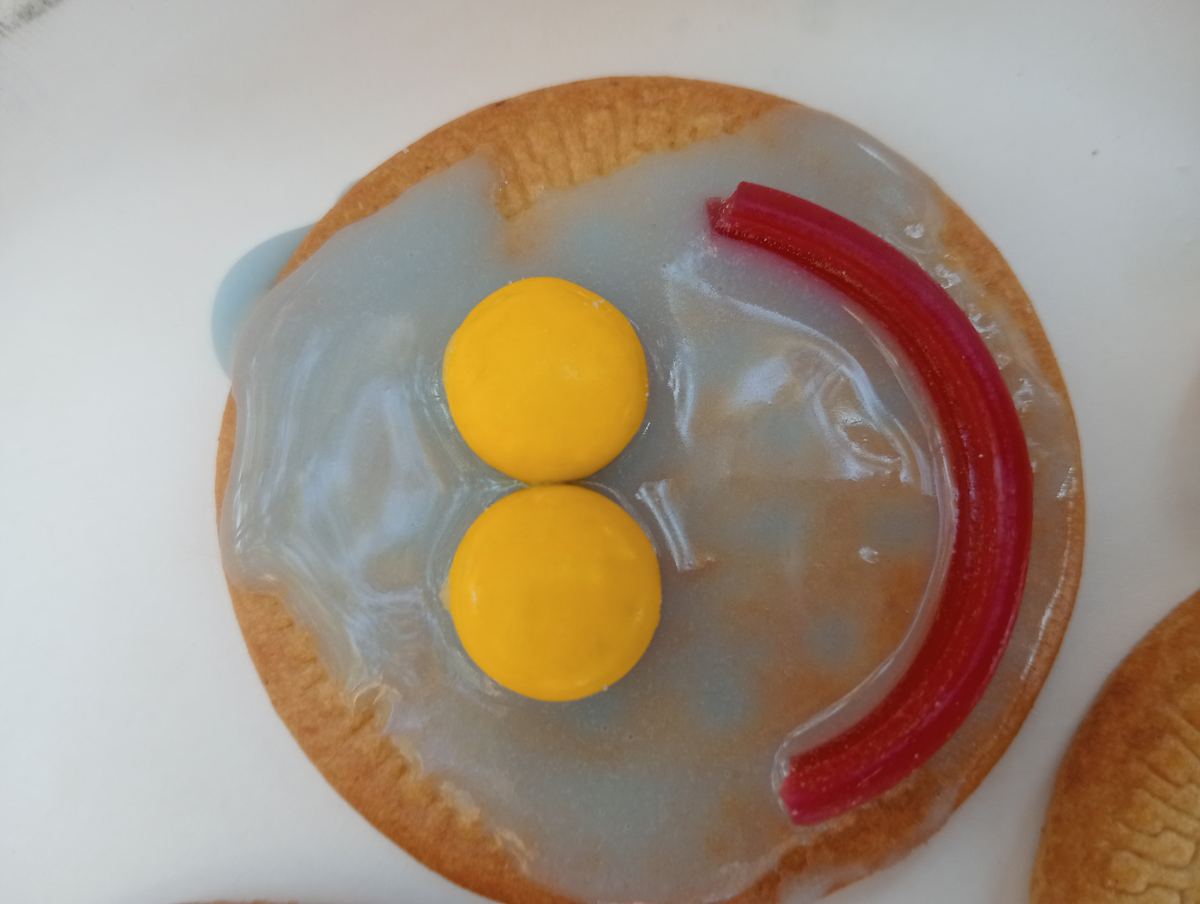
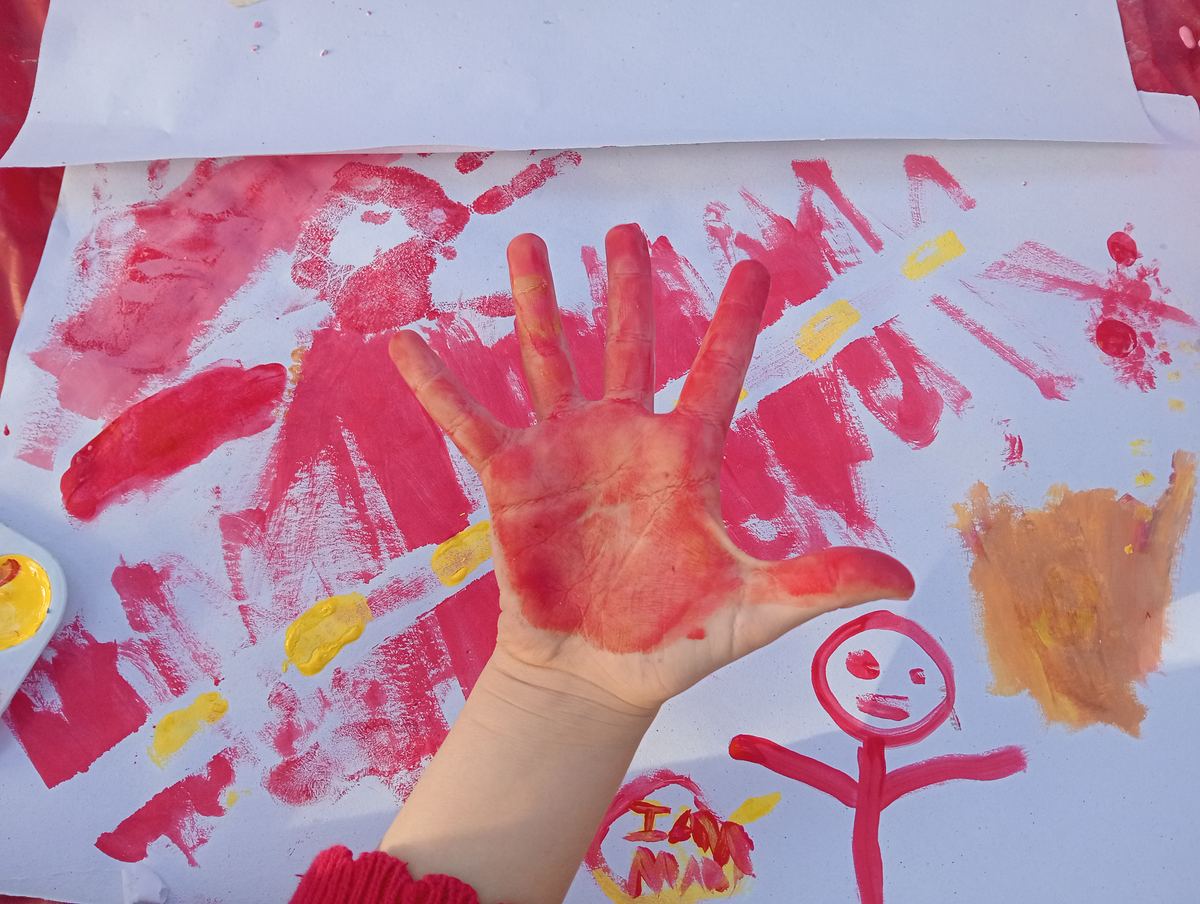
Real kids, real classrooms — this is where it began
School-based social-emotional learning works. Across 213 school programmes and 270,000+ students, SEL participation improved social-emotional skills, behaviour, and academic performance by an average of 11 percentile points (Durlak et al., 2011), with benefits still measurable years later (Taylor et al., 2017).
Emotion-regulation support helps young people. Psychological interventions targeting emotion regulation in children and adolescents show significant improvements in regulation ability and mental health outcomes (Moltrecht et al., 2021).
Digital tools reach children where they are. Digital emotion-regulation interventions are highly acceptable to children, and school-based delivery shows strong engagement — an active frontier of child mental-health research (Reynard et al., 2022).
Early identification matters. More than 4 in 10 U.S. high-school students reported persistent sadness or hopelessness (CDC, 2023). Daily check-ins give every student a voice — and give adults the earliest possible signal.
Unlimited students, all classrooms, dashboard access
Per family, all children, home check-ins
all parents free
Tell us what you're interested in and we'll get back to you personally.
Get in touch →Public schools, NGOs and underserved communities may apply for a subsidised or free licence.
Apply for a grantTeachers, school admins, principals and parents log in with your school email.
Just enter your email · No password needed · All data secure
After-school and holiday sessions teaching kids the tools to take charge of their own wellbeing — the same activities now built into the app's resources.
Zones of Regulation, Positive Behaviour Strategies, and school-wide wellbeing framework development — practical training for school staff.
An evidence-based, emotion-focused parenting program (developed by the University of Melbourne) — helping parents support their child's emotional development.
1:1 and small group support online, for men navigating fatherhood, workload, and building stronger connection with their kids — run personally by Jono, qualified Social Worker.
Questions, feedback or partnership ideas — we reply to everything.
Centers for Disease Control and Prevention. (2023). Youth Risk Behavior Survey: Data summary & trends report, 2011–2021. U.S. Department of Health and Human Services. https://www.cdc.gov/yrbs/dstr/index.html
Durlak, J. A., Weissberg, R. P., Dymnicki, A. B., Taylor, R. D., & Schellinger, K. B. (2011). The impact of enhancing students' social and emotional learning: A meta-analysis of school-based universal interventions. Child Development, 82(1), 405–432. https://doi.org/10.1111/j.1467-8624.2010.01564.x
Moltrecht, B., Deighton, J., Patalay, P., & Edbrooke-Childs, J. (2021). Effectiveness of current psychological interventions to improve emotion regulation in youth: A meta-analysis. European Child & Adolescent Psychiatry, 30(6), 829–848. https://doi.org/10.1007/s00787-020-01498-4
Reynard, S., Dias, J., Mitic, M., Schrank, B., & Woodcock, K. A. (2022). Digital interventions for emotion regulation in children and early adolescents: Systematic review and meta-analysis. JMIR Serious Games, 10(3), e31456. https://doi.org/10.2196/31456
Taylor, R. D., Oberle, E., Durlak, J. A., & Weissberg, R. P. (2017). Promoting positive youth development through school-based social and emotional learning interventions: A meta-analysis of follow-up effects. Child Development, 88(4), 1156–1171. https://doi.org/10.1111/cdev.12864